2 hr 30 min
Tortuguero Canal Wildlife Safari
Glide through hidden waterways in search of monkeys, caimans, and tropical birds on this tranquil canal journey
Reserve
Hand-picked by our editors — only the best 5 experiences from 14 reviewed.
Verified partners for every tour, free cancellation where available, and instant confirmation on every booking.
2 hr 30 min
Glide through hidden waterways in search of monkeys, caimans, and tropical birds on this tranquil canal journey
Reserve
2 hr 30 min
Paddle through Costa Rica's jungle waterways in search of sloths, caimans, and tropical birds
Reserve
2 hr 30 min
Witness green and leatherback turtles lay eggs under starlight on this guided conservation walk
ReservePrices from verified partners. Availability updates in real time at checkout. Free cancellation policies apply where shown.
The landmarks, rooms, and views travelers on this tour remember — all visible on a single visit.
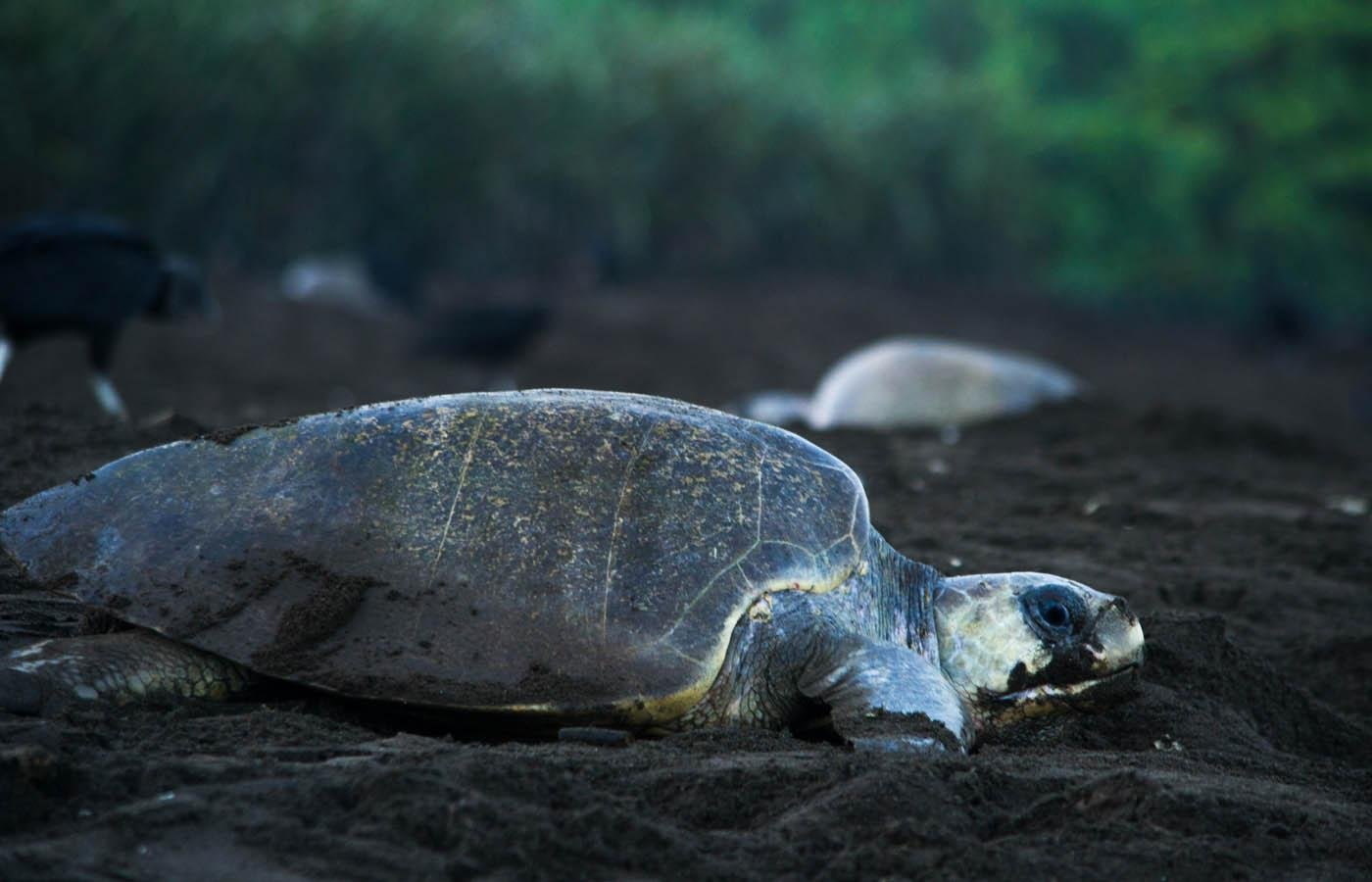
Witness the ancient nesting process of green sea turtles on this protected Caribbean coastline. Up to 22,500 females may nest here annually.
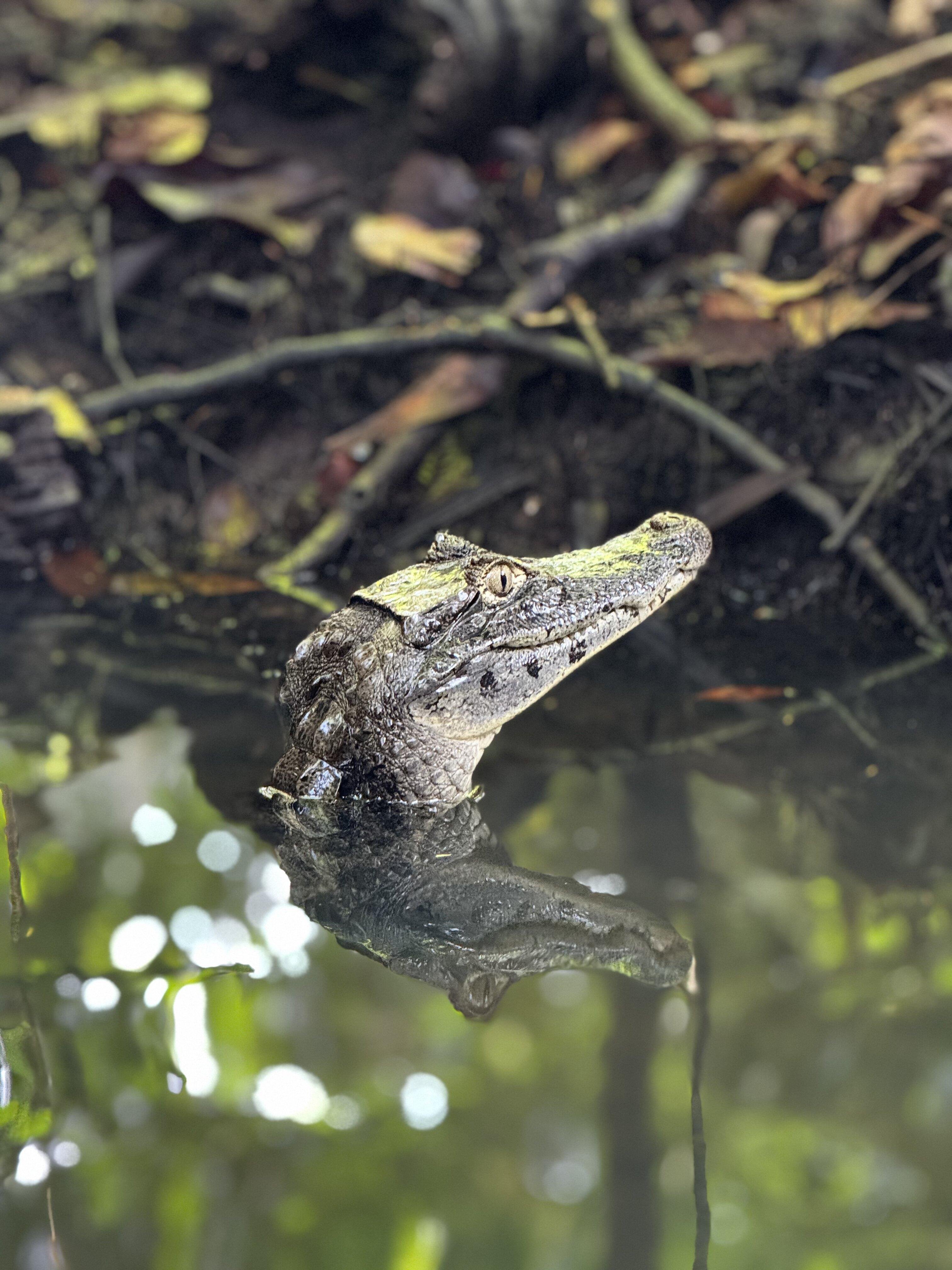
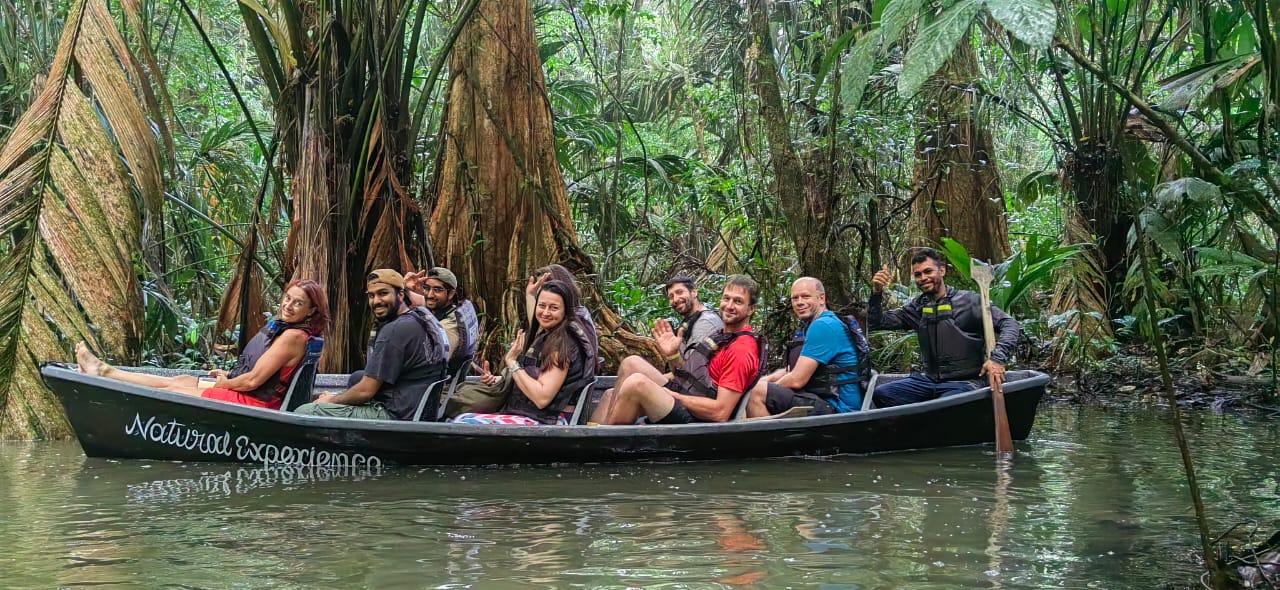
Navigate these narrow, serene waterways known as the mini-Amazon to observe monkeys, caimans, and birds. These canals provide essential habitat for diverse aquatic species.
This primary rainforest path offers a glimpse into the terrestrial biodiversity of the park. It is a critical research area for local conservationists.
Hike to this volcanic remnant for the best aerial vantage point of the Caribbean sea and jungle canopy. It is a landmark for navigational orientation in the park.
This facility serves as the oldest research site for sea turtles globally, providing vital data on population health. It is an essential stop to understand local wildlife protection.
These experiences complement each other; most visitors who do both call the daytime canal safari the more versatile excursion for general biodiversity, while the nocturnal beach walk provides a focused, rare encounter with nesting marine life.
| Feature | Top pick Turtle Tour | Canal Safari |
|---|---|---|
Experience Type |
Nocturnal beach walk | |
Primary Wildlife |
Green sea turtles | |
Accessibility |
Restricted/Guided only | |
Best Time of Day |
Nighttime | |
Physical Effort |
Low to moderate | |
Regulation Levels |
Strict/High | |
Experience Type |
Daytime boat trip | |
Primary Wildlife |
Monkeys/Birds/Caimans | |
Accessibility |
Open/Daily booking | |
Best Time of Day |
06:00–15:30 | |
Physical Effort |
Low | |
Regulation Levels |
Moderate | |
| See tickets → |
Verdict: Securing your tortuguero national park turtle tour tickets provides a specialized environmental encounter, whereas daytime canal tours offer a broader, flexible look at Costa Rica's lowland rainforest inhabitants.
Choose your ticket, select your date, and reserve in under two minutes. Secure checkout handled by our verified partner.
Instant confirmation by email, with a mobile voucher you can save offline. No printing, no queuing at a collection desk.
Arrive at the entrance, show your voucher on your phone, and walk in. Most tickets include priority or skip-the-line access.
Practical details for your visit straight from our verified partners — hours, access, rules, and how to get there.
Cuatro Esquinas Sector
Verify your specific tour meeting location with your operator.
Main transport from La Pavona to Tortuguero village terminal.
Routes from San Jose (Gran Carib) to Cariari, then connecting to La Pavona.
Wear dark-colored clothing for night tours to remain inconspicuous to nesting turtles. Lightweight, quick-dry fabrics are recommended for the humid climate.
Large bags are discouraged during boat tours. All security protocols during the tortuguero national park turtle tour focus on minimizing light pollution and physical disturbance.
Photography and videography are strictly prohibited during the nighttime tortuguero national park turtle tour to protect nesting wildlife. Flash usage is never permitted.
The primary visitor experience for the tortuguero national park turtle tour occurs on natural, uneven beach terrain requiring physical mobility. Boat access is standard for park entry.
Mobile phones must be turned off or left behind during the tortuguero national park turtle tour to avoid light emission. Even low-level screen light is disruptive to sea turtles.
Families are welcome, though the nighttime nature of the tortuguero national park turtle tour may be challenging for very young children. Ensure children remain silent and follow guide instructions.
No food or beverages are permitted during the nighttime tortuguero national park turtle tour. Pack water for daytime excursions to the canal sector.
Pets are prohibited within the park boundaries and on all guided wildlife tours. Only authorized service animals may be permitted under specific SINAC regulations.
All nighttime turtle tours require a certified local guide. Guided boat or kayak tours are the recommended way to explore the park's river canals during daylight hours.
Cuatro Esquinas Sector
Verify your specific tour meeting location with your operator.
Get directionsBest time to go, insider tips, nearby landmarks, and the cancellation fine print — flip through to skim what matters to you.
How crowds, weather, and events shift across the year.
Peak nesting activity with very high sighting rates for green sea turtles.
Excellent conditions, though peak rainy season begins.
Nesting tapers off; hatchling emergence becomes more common.
Best window for spotting leatherback sea turtles in lower numbers.
Small details that turn a good visit into a great one.
Always purchase your 16.95 USD conservation fee via the SINAC portal days before your arrival.
The tortuguero national park turtle tour requires a certified guide; do not attempt to access the beach at night independently.
The region receives extreme rainfall; keep all electronics in waterproof dry bags.
Book your morning canal tours early to avoid the midday heat and maximize wildlife sightings.
Strictly adhere to the no-light policy during the tortuguero national park turtle tour to ensure you do not disrupt the ecosystem.
Non-bookable sights within a short walk — free to visit, easy to pair.
A dense rainforest trail offering opportunities to spot diverse flora and fauna.
The highest point in the area, providing panoramic views of the canals and coastline.
Educational facility documenting the history and conservation of sea turtles.
Flexible, no hidden fees.
All entrance tickets for the tortuguero national park turtle tour must be purchased in advance via the SINAC portal. The 16.95 USD conservation fee is non-refundable per park policy.
Hand-picked options within walking distance — pick a district for vibe, or a specific hotel for convenience.
Central hub with various eco-lodges and local guest houses.
Eco-focused lodge providing integrated wildlife tours.
Waterfront property with private access to canal tours.
Between July and October each year, green sea turtles haul themselves onto Tortuguero's 22 miles of black-sand Caribbean beach to nest — one of only four primary nesting sites for the species in the Western Hemisphere. The ritual has repeated for millennia, but systematic protection began only in 1975 when Costa Rica designated the 77,000-acre coastal corridor as a national park. Archie Carr, the American herpetologist who founded the Caribbean Conservation Corporation here in 1959, calculated that fewer than 300 nesting females returned annually in the late 1950s; by 2025, that figure exceeded 25,000, making Tortuguero the world's most important green turtle rookery. The park's name derives from the Spanish tortuga — turtle — and the Miskito word for the place where turtles come. Four species nest here: green, hawksbill, loggerhead, and the massive leatherback, which can weigh 900 kilograms and travels 10,000 miles between feeding grounds and this narrow ribbon of coast. Nesting occurs nocturnally; females dig flask-shaped chambers above the high-tide line, deposit 80 to 120 eggs, then return to the surf. The entire process takes two hours. Hatchlings emerge 45 to 70 days later, their sex determined by sand temperature during incubation. Beyond the beach, Tortuguero protects 11 distinct habitats: coastal rainforest, palm swamp, herbaceous marsh, and a labyrinth of freshwater canals that parallel the Caribbean for 25 miles. The canal system, built in the 1960s to connect remote coastal villages, now serves as the park's primary access corridor. Boat-based wildlife observation reveals three-toed sloths in cecropia trees, spectacled caimans basking on mudbanks, Jesus Christ lizards running across the water's surface, and more than 400 bird species including the keel-billed toucan and great green macaw. West Indian manatees inhabit the brackish estuaries. Jaguar tracks appear on remote beaches, though sightings remain rare. Visitor access is tightly controlled. All Tortuguero National Park turtle tour entries require advance purchase of a 16.95 USD conservation fee through the SINAC portal; walk-up sales do not exist. Nesting tours operate under strict protocols: groups of ten maximum, red-filtered flashlights only, no camera flash, 10-meter distance from nesting turtles until the egg-laying trance begins. Certified naturalist guides track radio-tagged individuals to minimize disturbance. The park opens at 06:00 daily, and morning canal tours avoid the midday heat that suppresses animal activity. Evening departures target the 20:00 to 02:00 nesting window, when females emerge from the surf.

"Fewer than 300 nesting females returned annually in the late 1950s; by 2025, that figure exceeded 25,000."
A step-by-step walkthrough of the visit — what you'll see, how long each stage takes, and the details that matter.
You arrive at the ranger station before dawn, conservation fee confirmed on your phone. Your naturalist guide briefs the group on protocol — no white lights, no sudden movements once a turtle begins nesting — then leads you onto the beach. The Caribbean surf breaks 30 meters to your left. Your eyes adjust. After 20 minutes of walking the tide line, the guide's red flashlight stops on fresh flipper tracks ascending the sand. You approach slowly. A green turtle, carapace nearly a meter across, digs with her rear flippers, sand flying in rhythmic arcs. She enters her trance. You crouch two meters away. She deposits eggs into the chamber, each one soft-shelled and luminous in the red glow. The process takes 90 minutes. She camouflages the nest, then drags herself back to the water, her tracks erased by the next tide. Morning canal tours depart at 06:00, when howler monkeys vocalize and caimans hunt. Your boatman cuts the engine every few hundred meters. A sloth clings motionless to a branch. A basilisk lizard skitters across a lagoon. Herons stalk the shallows. The canals thread through raffia palm swamps where light filters green through the canopy. You return to the village by 09:00, before the heat peaks. The experience is structured, quiet, and requires patience — wildlife operates on its own schedule, not yours.
No, a tortuguero national park turtle tour is a separate guided activity that requires a certified guide, distinct from your entrance fee.
This 16.95 USD is the mandatory conservation fee for Tortuguero National Park, which must be paid online via the SINAC portal.
It is highly recommended to book your tortuguero national park turtle tour weeks in advance, especially during the peak August and September season.
There are no strict age limits, but children must be able to remain quiet and still during the guided tortuguero national park turtle tour.
Artificial light and camera flashes during a tortuguero national park turtle tour can cause nesting females to abandon their efforts.
No, nighttime access to the beaches of Tortuguero National Park is strictly prohibited unless accompanied by a certified guide.
Most tortuguero national park turtle tour operators provide transport or meet at specific village docks; confirm details with your provider.
All electronic recording devices, including cameras and phones, are strictly prohibited on the beach during the tortuguero national park turtle tour.
The tortuguero national park turtle tour is family-friendly, provided children can follow strict silence and no-light rules.
The best time for a tortuguero national park turtle tour is between July and October, with August and September offering peak nesting activity.